Roots of a Modern State
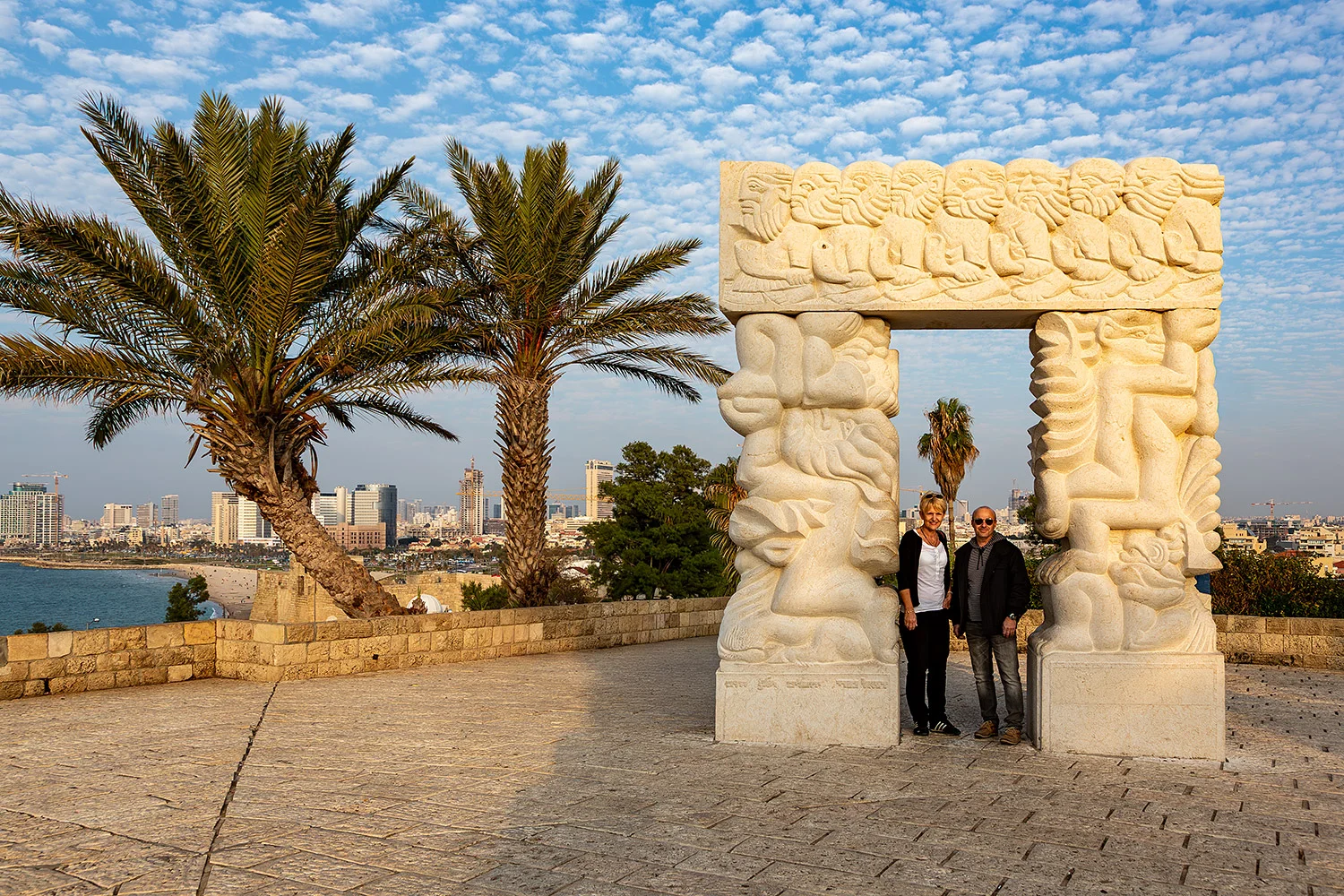
Boris and the Gate of Faith
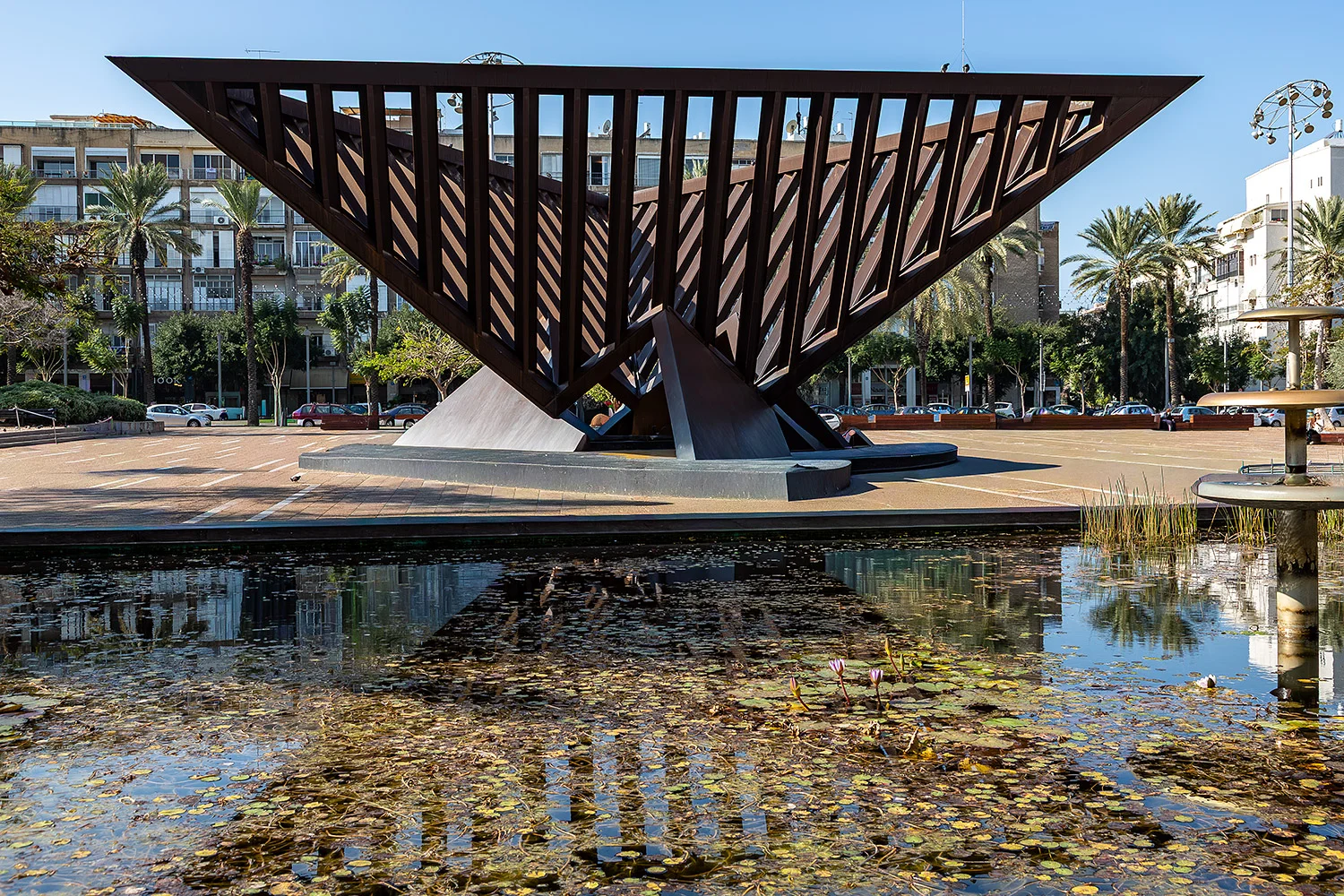
Holocaust Memorial
Die Audiodatei konnte nicht geladen werden. Bitte prüfe den Dateipfad.
Our journey through Israel began in Jaffa, where we met Boris, who had come to Israel from Bulgaria as a young boy. As he introduced us to the city and shared his thoughts about life in his adopted homeland, we encountered an unexpected sight: an orange tree suspended above a narrow stone lane.
At first it seemed little more than a curious work of art. Yet as we travelled on through Tel Aviv, Jerusalem, Galilee and the ancient cities of the country, I found myself returning to that image again and again. The floating orange tree became a symbol of Israel itself: a place deeply rooted in history, shaped by many cultures, and constantly reaching toward the future.
Our journey through Israel began in Jaffa, one of the oldest ports in the Mediterranean. Long before we visited Jerusalem, the Sea of Galilee or the ancient ruins scattered across the country, we met Boris.
His parents had emigrated from Bulgaria, and he had arrived in Israel as a young boy. Over the years, Israel had become his home. We had originally arranged a business meeting, but what followed became a personal introduction to a country that would surprise us at every turn.
Together we wandered through the narrow streets of old Jaffa. Stone houses, hidden courtyards and small galleries lined the winding lanes leading toward the sea. Everywhere there were traces of the past, yet the city felt very much alive. Artists, shopkeepers, visitors and residents shared the same streets that had witnessed thousands of years of history.
Over dinner, Boris spoke about life in Israel. His story reflected something we would encounter repeatedly during our journey: many Israelis carried family histories that began somewhere else. Europe, the Middle East, North Africa and the former Soviet Union had all contributed to the country's cultural mosaic. Hebrew surrounded us, but English was widely spoken, and now and then we heard conversations in Russian.
Israel felt familiar and unfamiliar at the same time.
As evening approached, we walked toward the old port overlooking the Mediterranean. The warm light softened the ancient stone buildings, and the sea reflected the colours of the setting sun. It was easy to understand why Jaffa had attracted sailors, traders and travellers for centuries.
Before we said goodbye, we passed a curious sight that would remain in my memory long after the details of the day had faded. Suspended above a narrow lane hung an orange tree rooted inside a large clay vessel. At first glance, it seemed little more than an unusual piece of public art.
Only later would I realise that the floating orange tree was more than a sculpture.
It was a symbol.
The floating tree carried yet another layer of meaning. For generations, the famous oranges of Jaffa travelled from this ancient port to markets throughout Europe. Long before Israel became known for technology, research and innovation, citrus exports helped build the region's economic reputation and connected Jaffa with the wider world.
Standing beneath the tree, I was looking at more than a work of art. The orange had become a reminder that every modern success story begins somewhere in the past.
That thought stayed with me throughout our journey.
In the days ahead, we would walk through the Bauhaus streets of Tel Aviv, stand before the ancient stones of Jerusalem, visit biblical sites around the Sea of Galilee and explore cities whose histories stretched back thousands of years. Again and again, we encountered the same remarkable contrast: deep roots and constant change.
The floating orange tree was our first glimpse of that balance.
Leaving Jaffa felt less like changing locations and more like stepping between centuries.
Only a short distance separated the ancient stone alleys of the old port from the broad boulevards of Tel Aviv, yet the contrast could hardly have been greater. One city seemed to look back across millennia. The other appeared determined to look forward.
Founded in 1909 on the sand dunes north of Jaffa, Tel Aviv quickly developed into the economic and cultural heart of modern Israel. Today, its Bauhaus architecture, lively cafés, technology companies and Mediterranean beaches create an atmosphere that feels distinctly international.
As we walked through the city, we encountered a side of Israel that many visitors may not expect. The streets were filled with students, office workers, cyclists and young families. Along the beachfront, people jogged, relaxed in cafés or gathered with friends as the Mediterranean stretched toward the horizon.
Yet another detail caught our attention.
Many young people, both men and women, were moving through the city in military uniforms. Some sat in cafés, others waited at bus stops or walked through shopping districts. To us, arriving from Germany, the sight felt unusual at first. For Israelis, however, it appeared to be a natural part of daily life.
Once again, we encountered the contrast that had first revealed itself beneath the floating orange tree in Jaffa.
Modern architecture stood alongside historic buildings. Beach culture existed beside military readiness. Innovation and entrepreneurship flourished in a country deeply aware of its past and conscious of its future.
The more we explored, the more Tel Aviv seemed to represent another side of Israel's identity: confident, energetic and constantly evolving.
And yet, despite its modern appearance, the city could never be fully separated from Jaffa. The ancient port remained only a short walk away, a reminder that even the newest chapters of history are built upon older foundations.
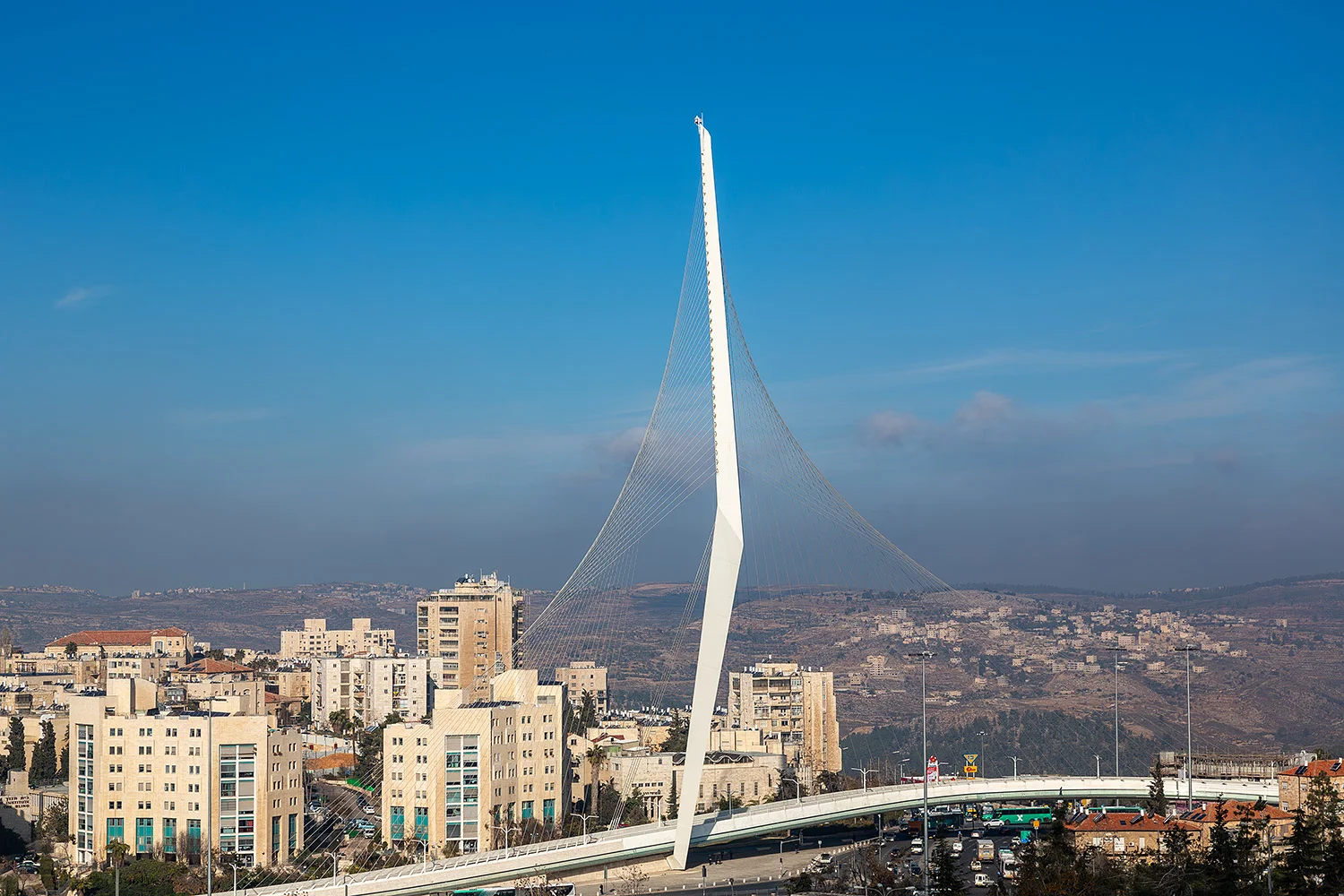
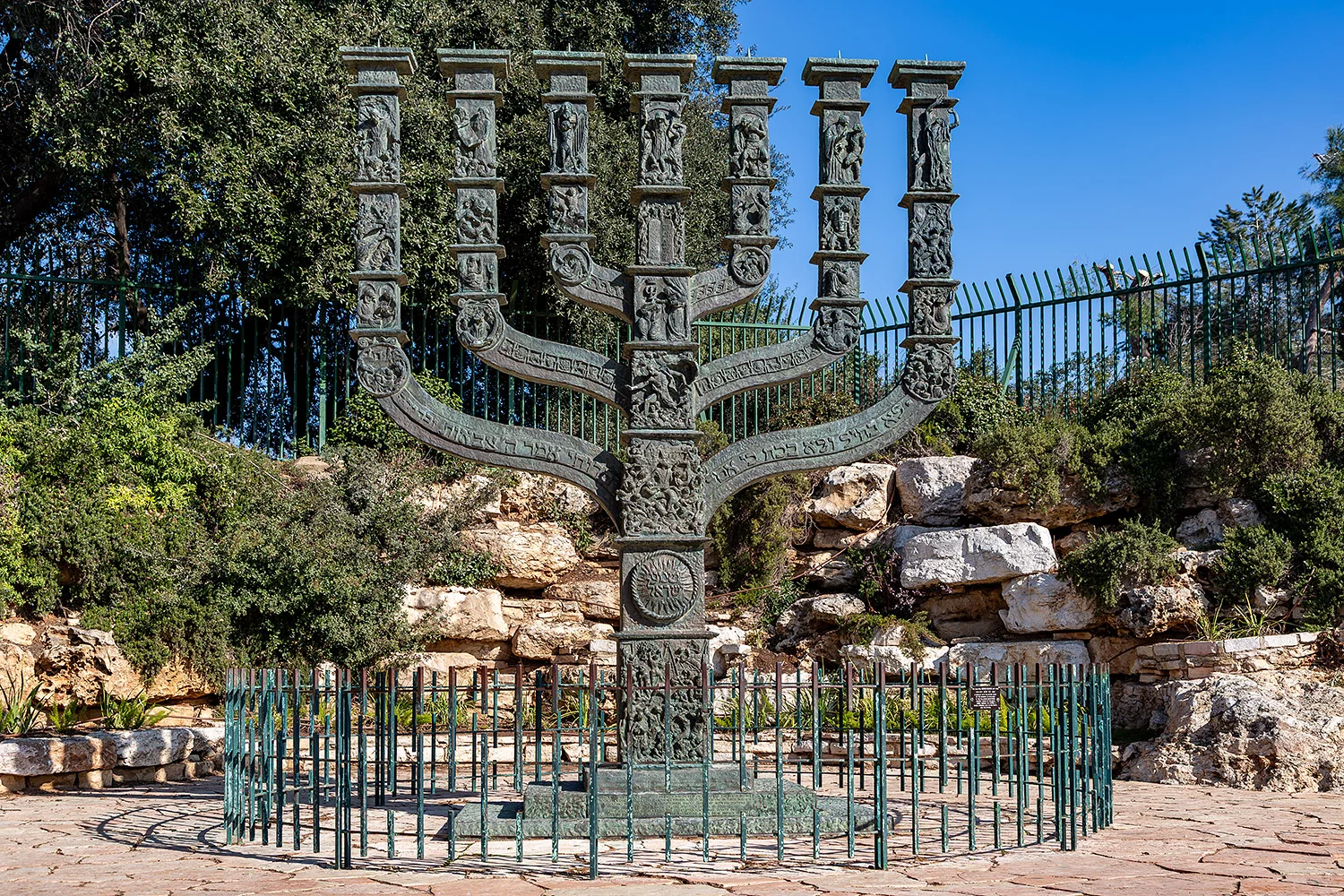
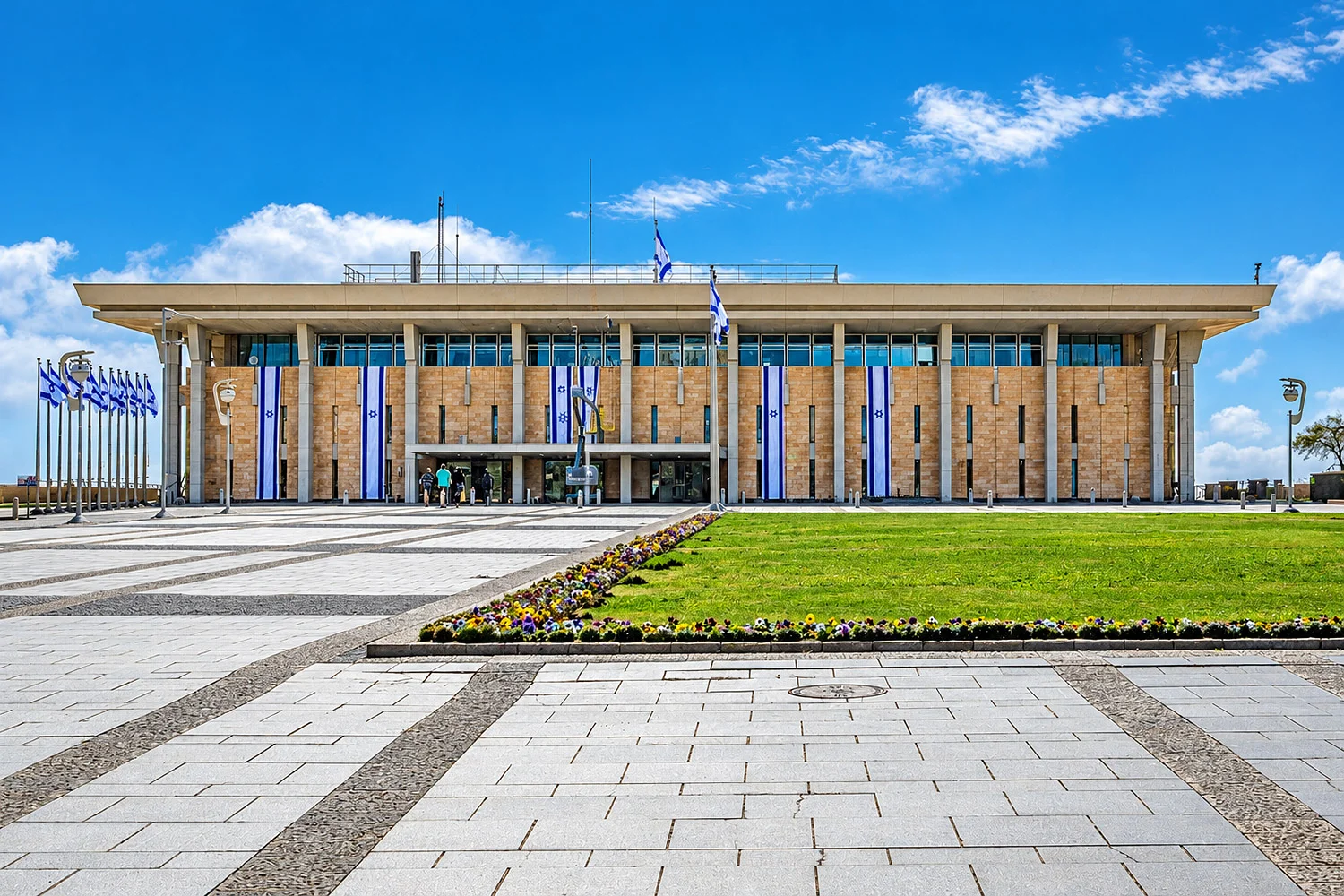
Jerusalem felt different from every other place we visited in Israel.
In Tel Aviv, life seemed to move forward with energy and confidence. In Jerusalem, the past was never far away. Ancient walls, sacred sites and layers of history surrounded us wherever we walked.
Few cities in the world hold such significance for so many people. Jews, Christians and Muslims all trace important parts of their history and faith to Jerusalem. Yet beyond its religious importance, the city possesses a unique atmosphere that is difficult to describe.
As we walked through the Old City, the sound of footsteps echoed through narrow stone alleys worn smooth by centuries of pilgrims, merchants and travellers. Around every corner, another chapter of history seemed to reveal itself.
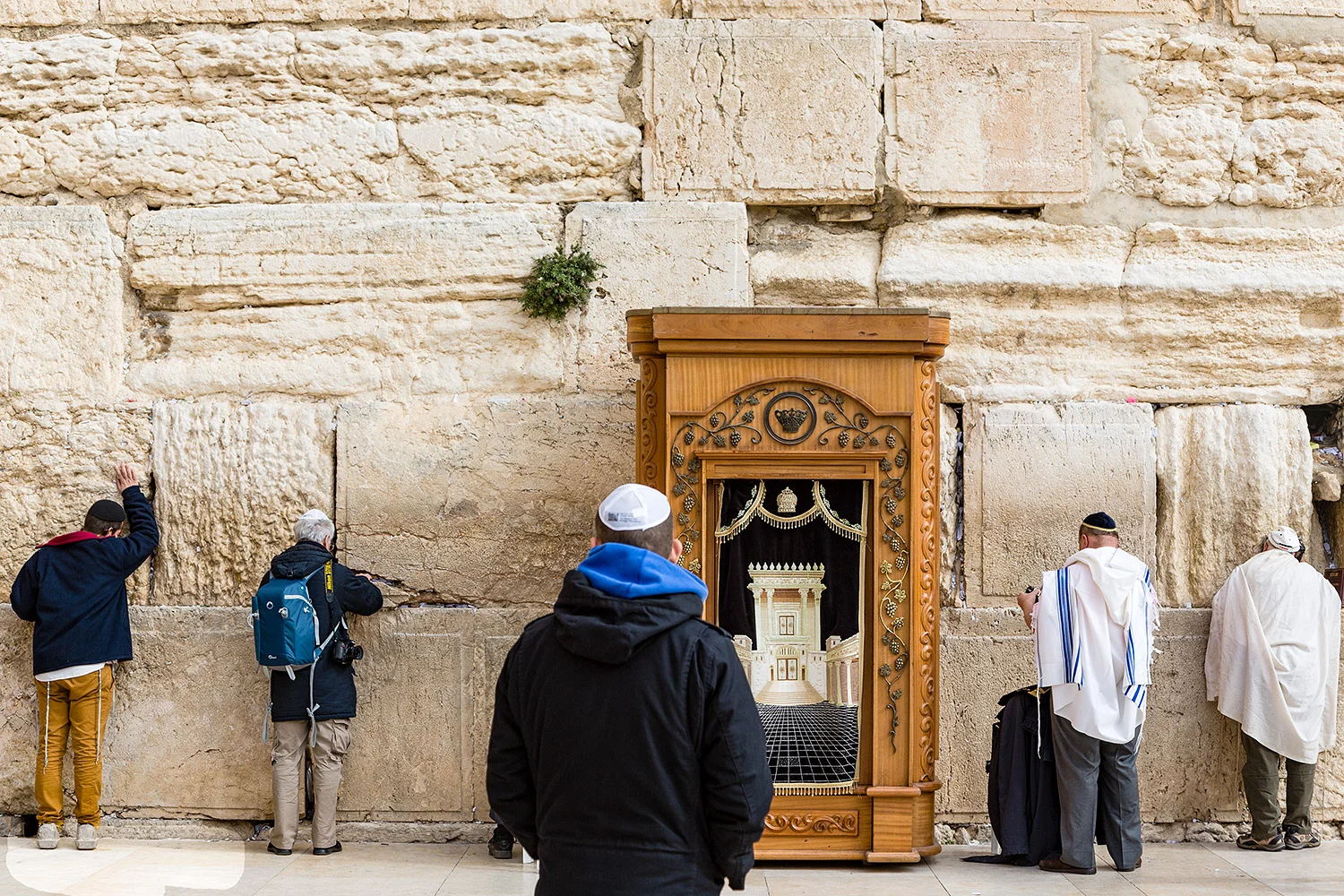
At the Western Wall, visitors stood quietly in prayer. Not far away, Christian pilgrims followed the Via Dolorosa toward the Church of the Holy Sepulchre. Throughout the city, ancient traditions continued alongside the realities of modern life.
More than anywhere else on our journey, Jerusalem reminded us that history is not confined to museums. Here, it remained part of everyday life.
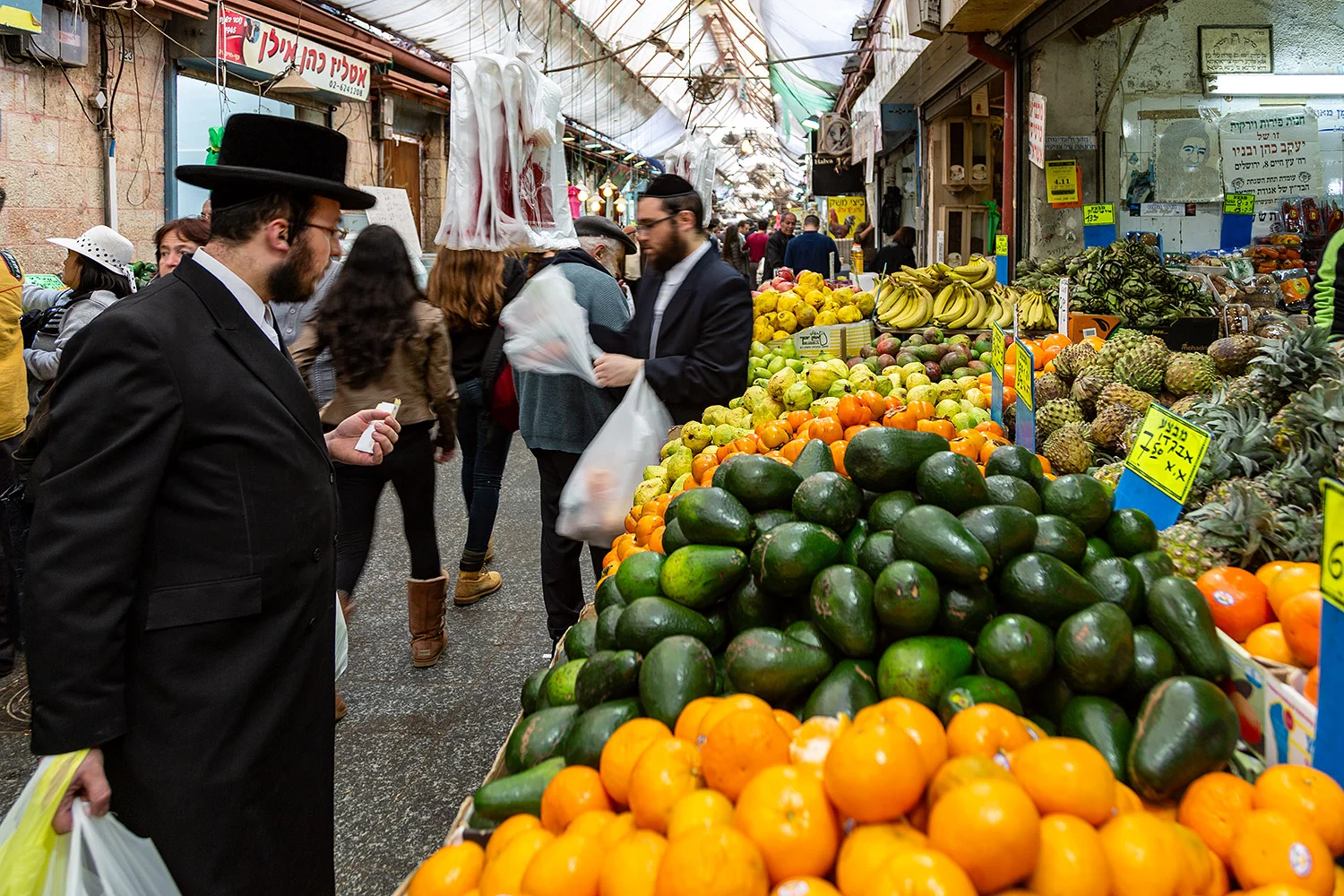
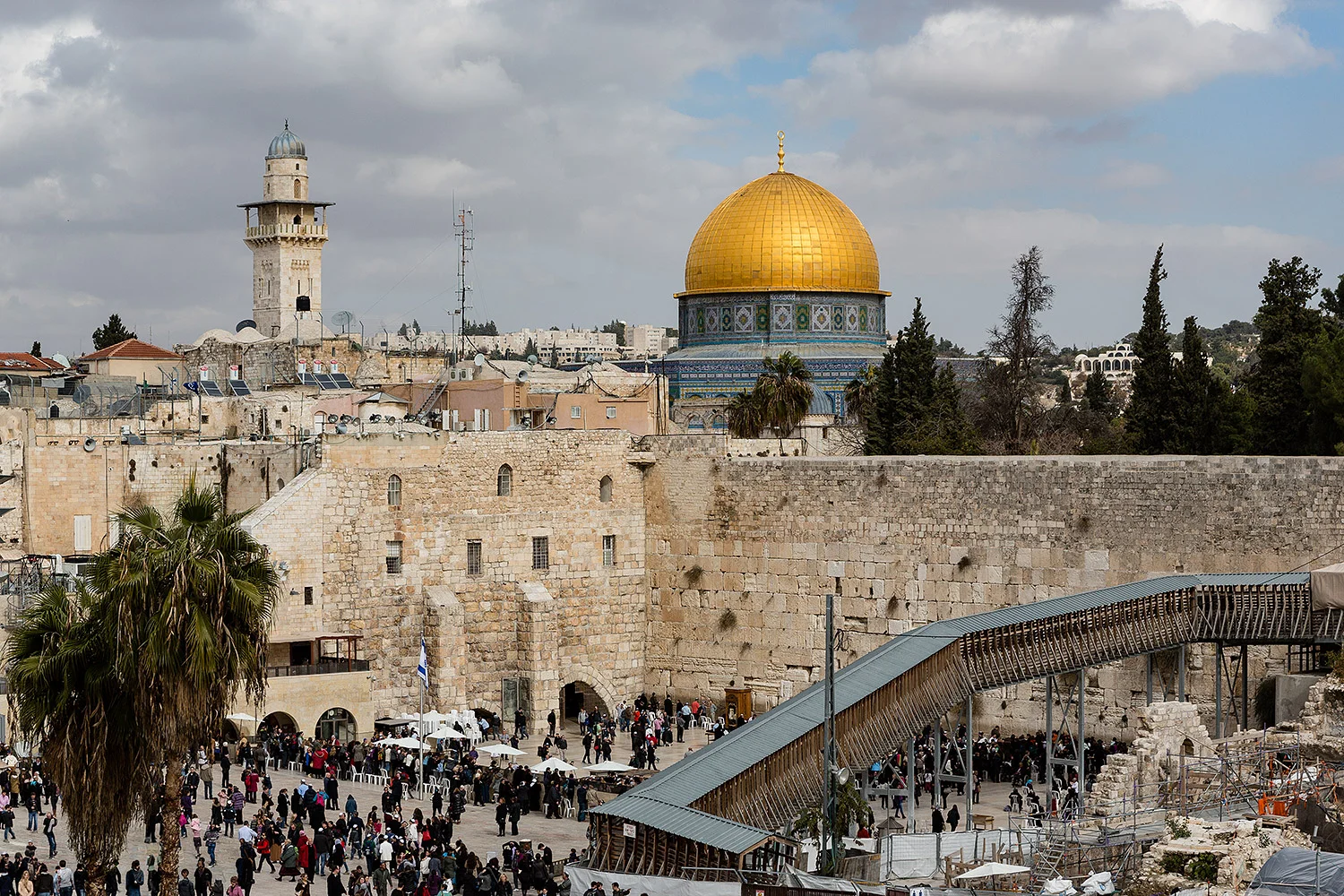
After the intensity of Jerusalem, the shores of the Sea of Galilee offered a different perspective on Israel.
The landscape became greener, the pace seemed slower and the atmosphere noticeably calmer. Surrounded by gentle hills, the lake felt far removed from the crowded streets of the capital, yet it remained just as deeply connected to the country's history.
Many of the places we visited around the lake are known throughout the world. In Capernaum, ancient ruins stand close to the water's edge, linking the present to traditions that have shaped the region for centuries. Along the Jordan River, visitors gathered quietly, reflecting on the spiritual significance of a place familiar from countless biblical accounts.
Yet Galilee was far more than a collection of historic and religious sites. Small towns, agricultural communities and modern roads coexisted alongside ancient traditions. Once again, we encountered the same theme that had accompanied us throughout our journey: the remarkable coexistence of past and present.
Further north, places such as Acre and Caesarea revealed additional layers of history. Greek, Roman, Crusader and Ottoman influences remained visible in harbours, fortifications and weathered stone walls. Each destination added another chapter to the story of a country shaped by countless cultures and generations.
As the sun slowly set over the Sea of Galilee, I found myself thinking once more about the floating orange tree in Jaffa. What had first appeared to be a curious work of art had gradually become a metaphor for the entire journey.
Everywhere we travelled, we encountered the same balance: deep roots and constant change.