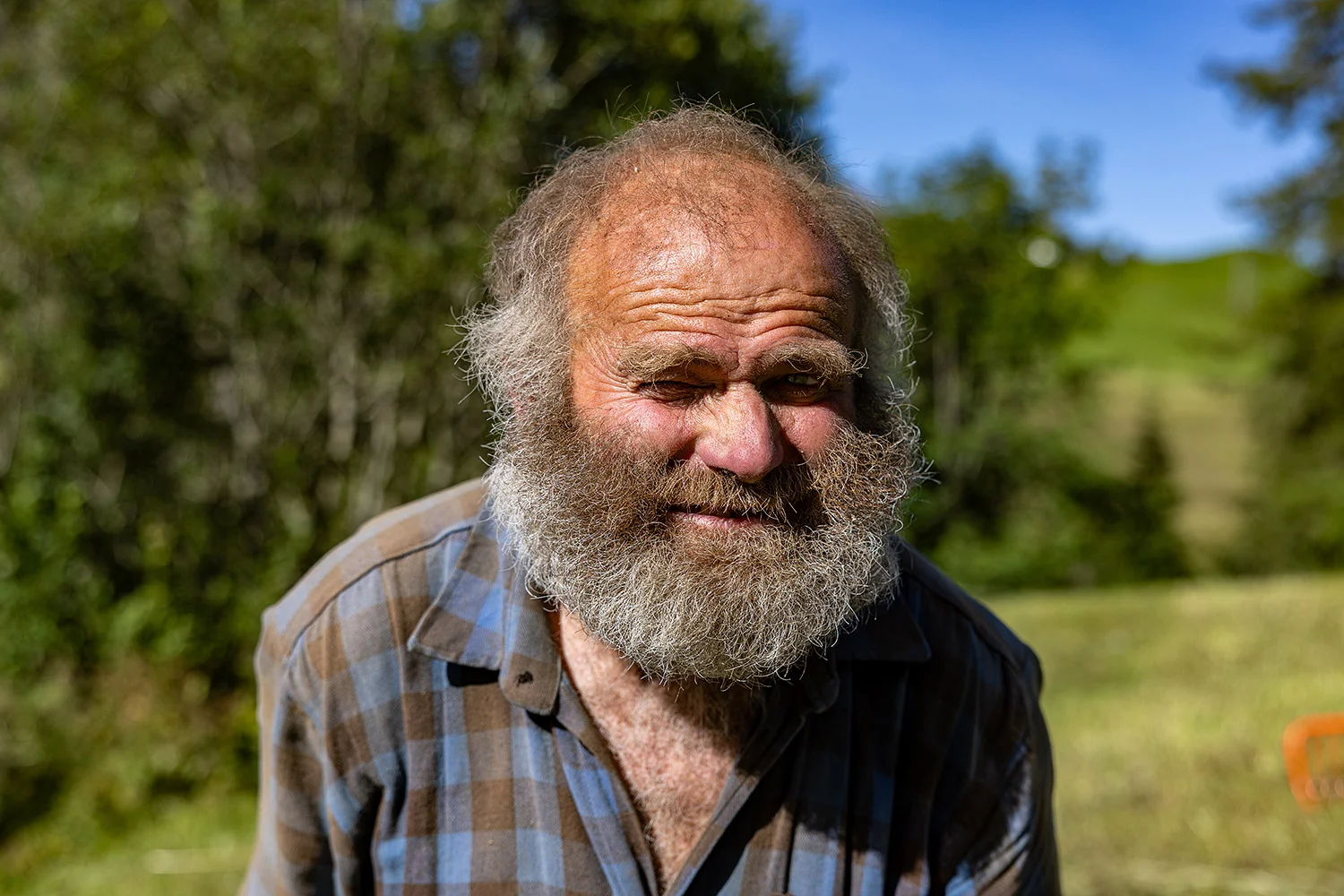
Sepp
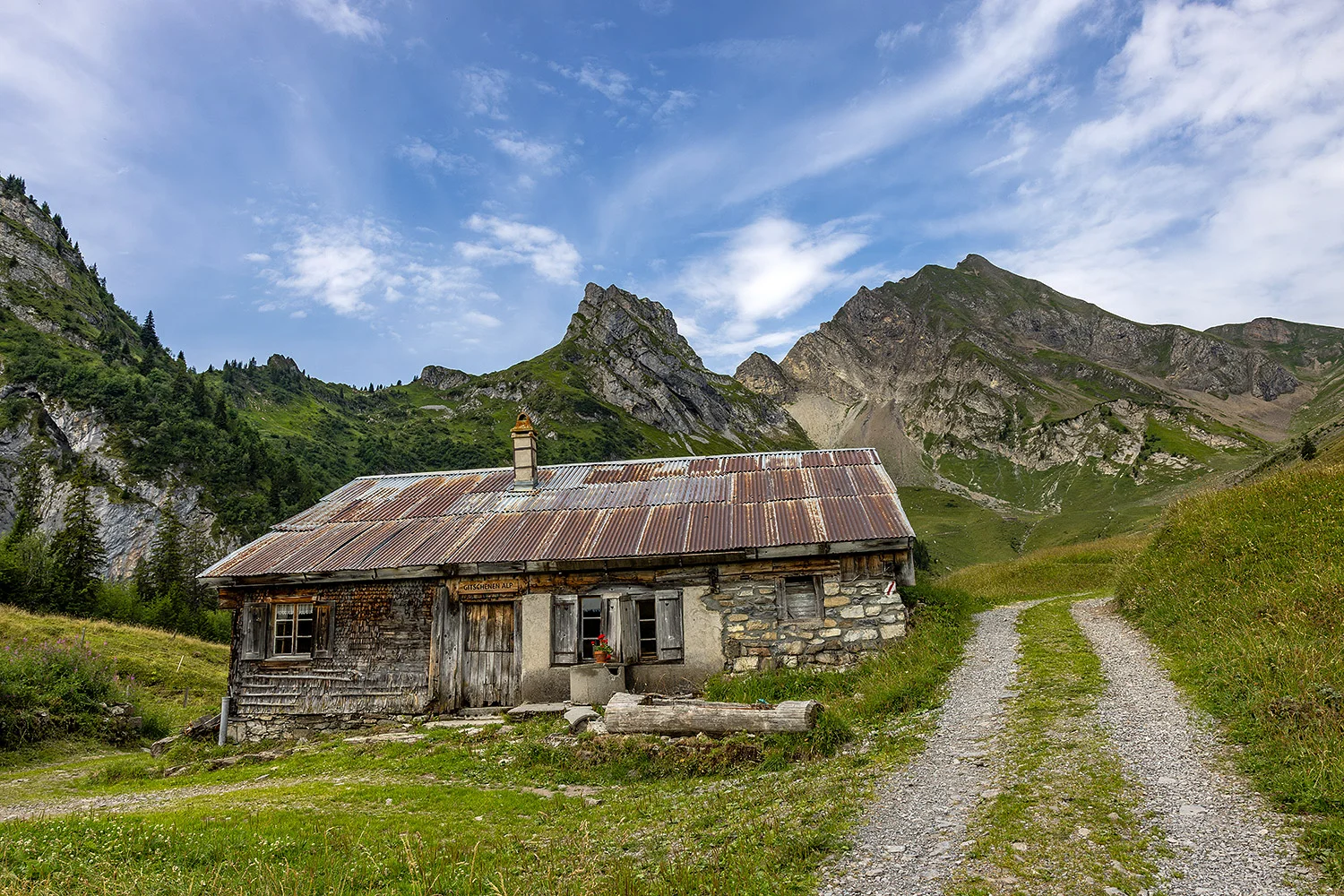
Gitschenen Alp
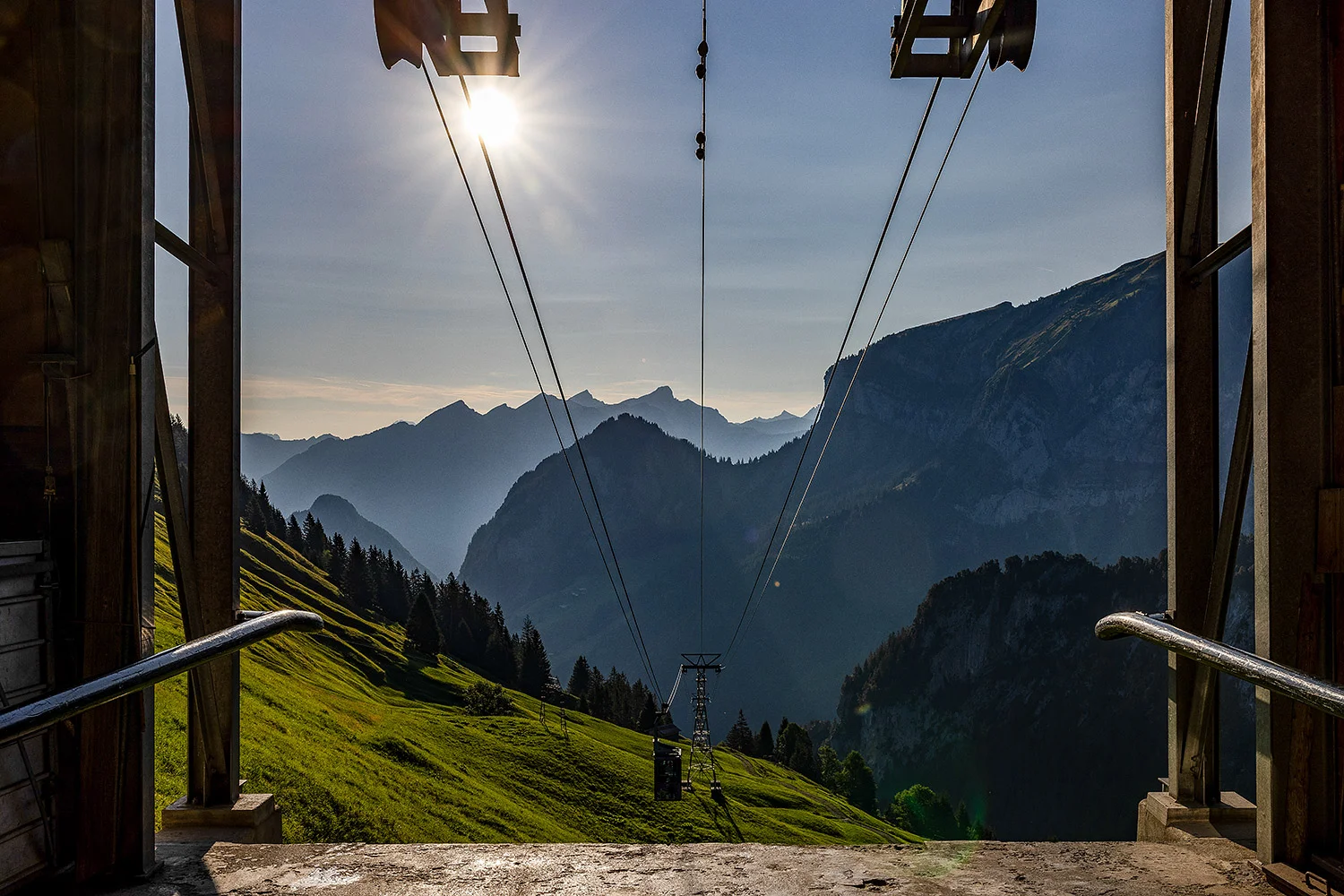
The Only Way Up
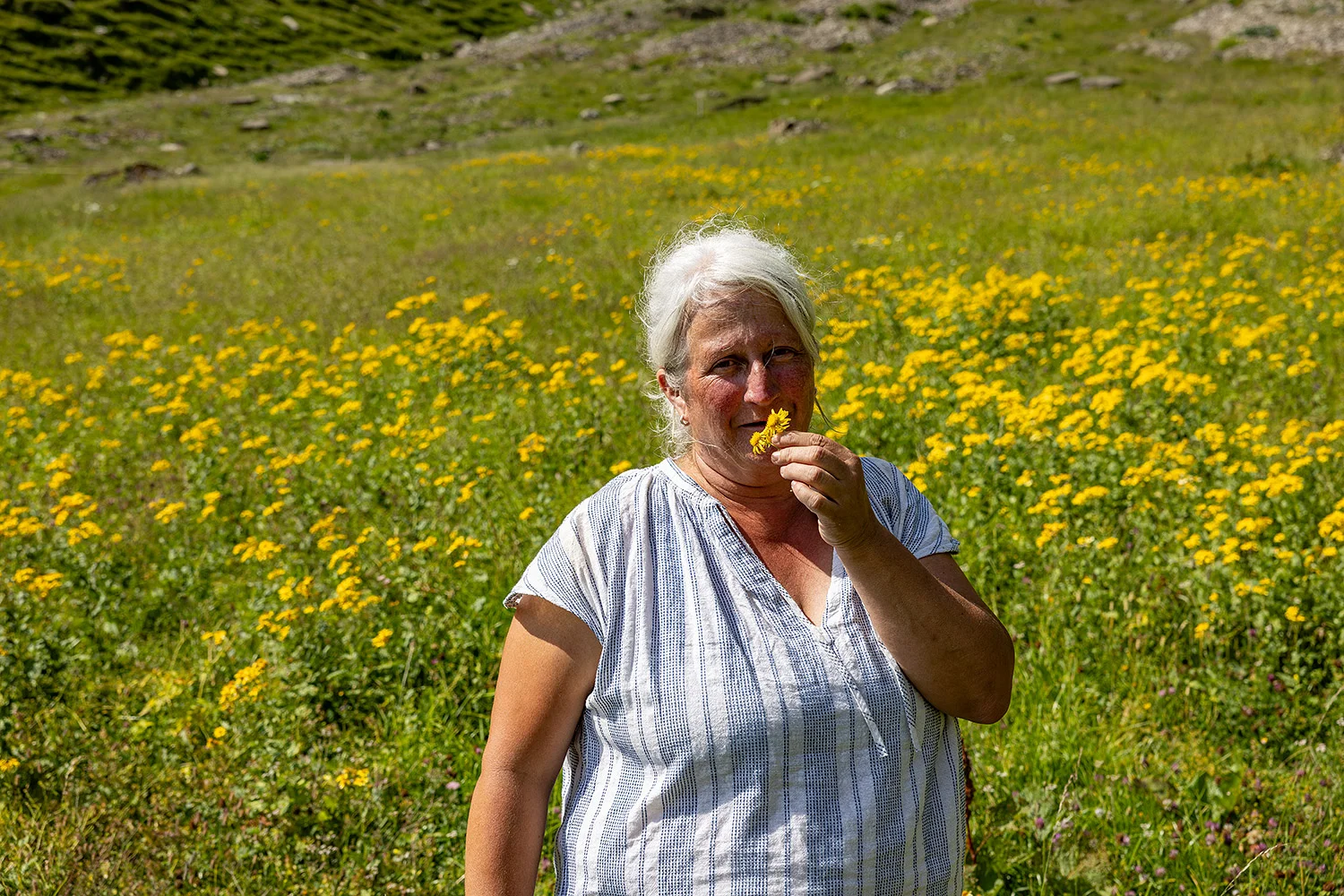
Protecting the Pastures
Life on the Alp
Die Audiodatei konnte nicht geladen werden. Bitte prüfe den Dateipfad.
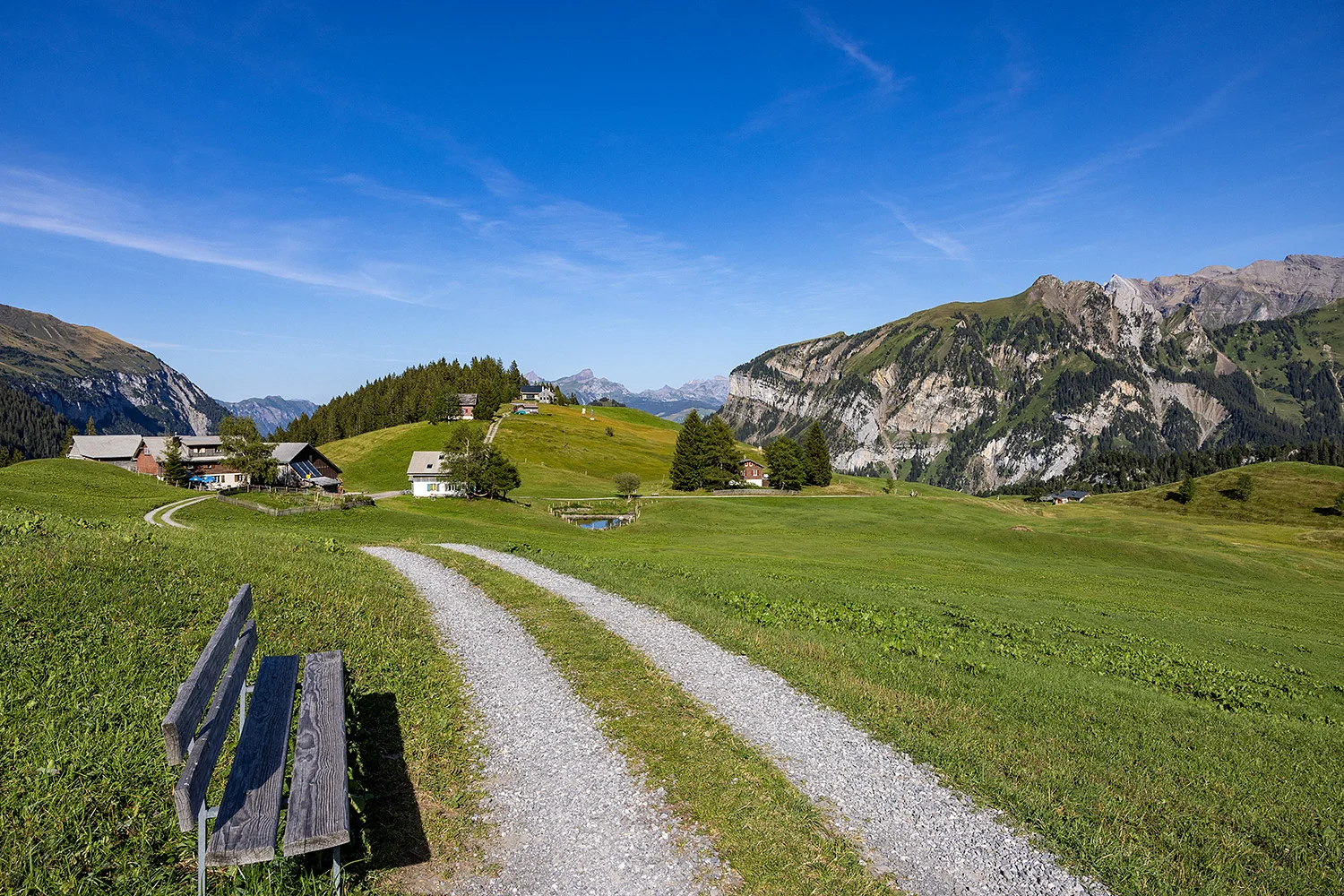
High above the valley floor of Uri lies Gitschenen, a small alpine settlement that can only be reached by cable car or on foot. Life here follows rhythms shaped by steep mountain slopes, changing seasons and hard physical work. During a hike through the high pastures, I met Sepp, a farmer whose stories revealed a way of life slowly disappearing from modern Switzerland.
High above the valley floor of Uri lies Gitschenen, a small alpine settlement that can only be reached by cable car or on foot. While many visitors come here for the mountain scenery and hiking trails, daily life on the alp follows a very different rhythm. During a hike across the high pastures, I met Sepp, a farmer whose stories revealed a way of life that is slowly disappearing from modern Switzerland.
When I first saw Sepp, he was gathering freshly cut hay beneath the afternoon sun. With his weathered face, thick beard and calm manner, he looked as though he had stepped out of another era. After asking whether I could take his photograph, we began talking. What followed became one of the most memorable encounters of our stay in Gitschenen.
Sepp lives alone in a traditional farmhouse high above the valley. Life here is shaped by steep slopes, changing weather and demanding physical work. Tasks that many people now perform with machines often still require manual labour on the mountain. Hay must be gathered before changing weather ruins it, fences need constant maintenance and livestock depend entirely on the careful management of pastures.
One detail near Sepp's farmhouse immediately caught my attention. Parked beside the building stood an old car. Curious, I asked how it had reached a place with no road access. Sepp smiled and explained that the vehicle had once been suspended beneath the cable car and transported up the mountain that way. The image of a car hanging high above the valley seemed almost unbelievable, yet on Gitschenen it was simply another practical solution to everyday challenges.
As we continued talking, I mentioned the bright yellow flowers that covered parts of the surrounding hillsides. They looked beautiful from a distance, but Sepp explained that they were Jakobskreuzkraut, or ragwort, a highly poisonous plant. If eaten by cattle or sheep, it can be fatal. Every summer, Sepp and neighbouring farmers spend countless hours removing the plants by hand to protect their animals and preserve the grazing land.
The work is demanding, but it also reflects a strong sense of responsibility for the landscape. Nothing on the alp happens automatically. The meadows, pastures and walking trails that visitors enjoy exist because people like Sepp continue to invest time, effort and knowledge into maintaining them.
During our stay, we also met one of Sepp's neighbours while she was helping remove ragwort from the fields. It was a reminder that life on the mountain still depends on cooperation. Although the farms may appear isolated, there remains a strong sense of community among the people who live and work here.
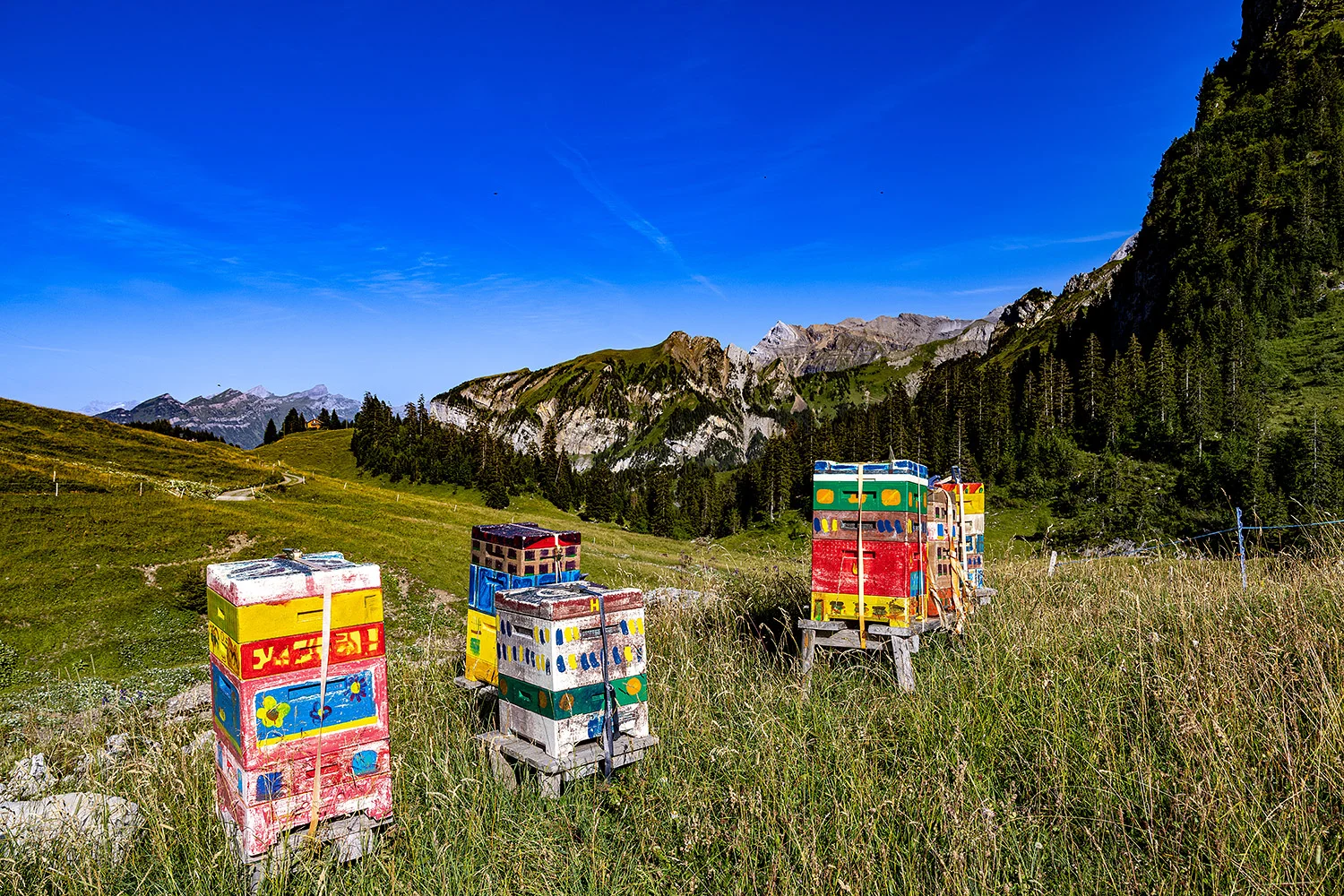
The colourful beehives scattered across the alpine meadows offered another glimpse into everyday life on Gitschenen. Together with farming, beekeeping forms part of a landscape where people remain closely connected to nature and the changing seasons.
Many visitors remember Gitschenen for its spectacular mountain views. What stayed with me, however, was the conversation with Sepp. Through his stories, the landscape became more than scenery. It became a living environment shaped by hard work, local knowledge and generations of experience.
His story is a reminder that behind every alpine panorama lies a human story. And sometimes, those stories are every bit as fascinating as the mountains themselves.