Weeping Window

Where Remembrance Flows Through Time.
Kingston upon Hull, England

A Memorial Made of Poppies

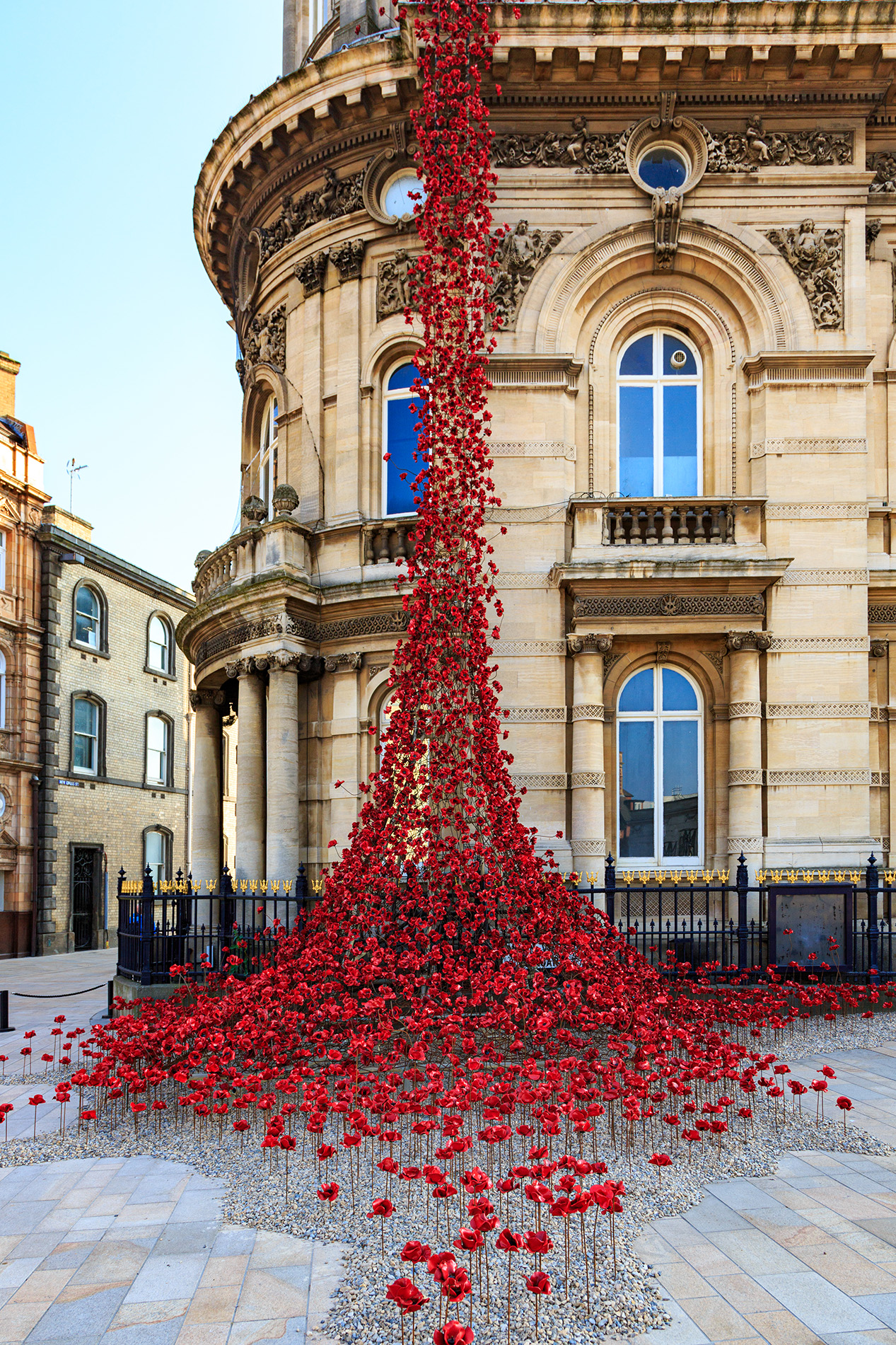
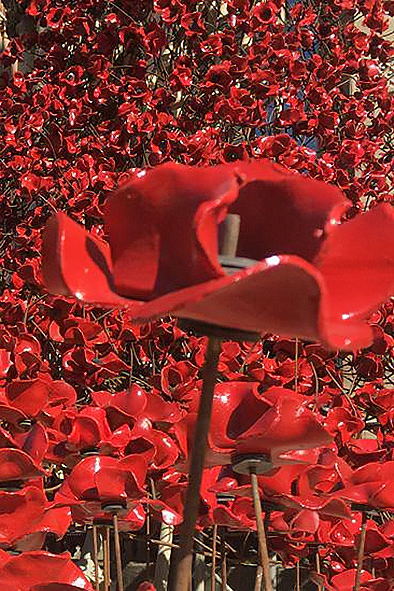
Weeping Window is part of Blood Swept Lands and Seas of Red, a public art installation created to commemorate the centenary of the First World War. Designed by artist Paul Cummins and designer Tom Piper, the installation consists of thousands of ceramic poppies cascading from historic buildings. Each flower recalls the lives lost during the conflict and transforms remembrance into a powerful visual experience.

When Memory Becomes Art

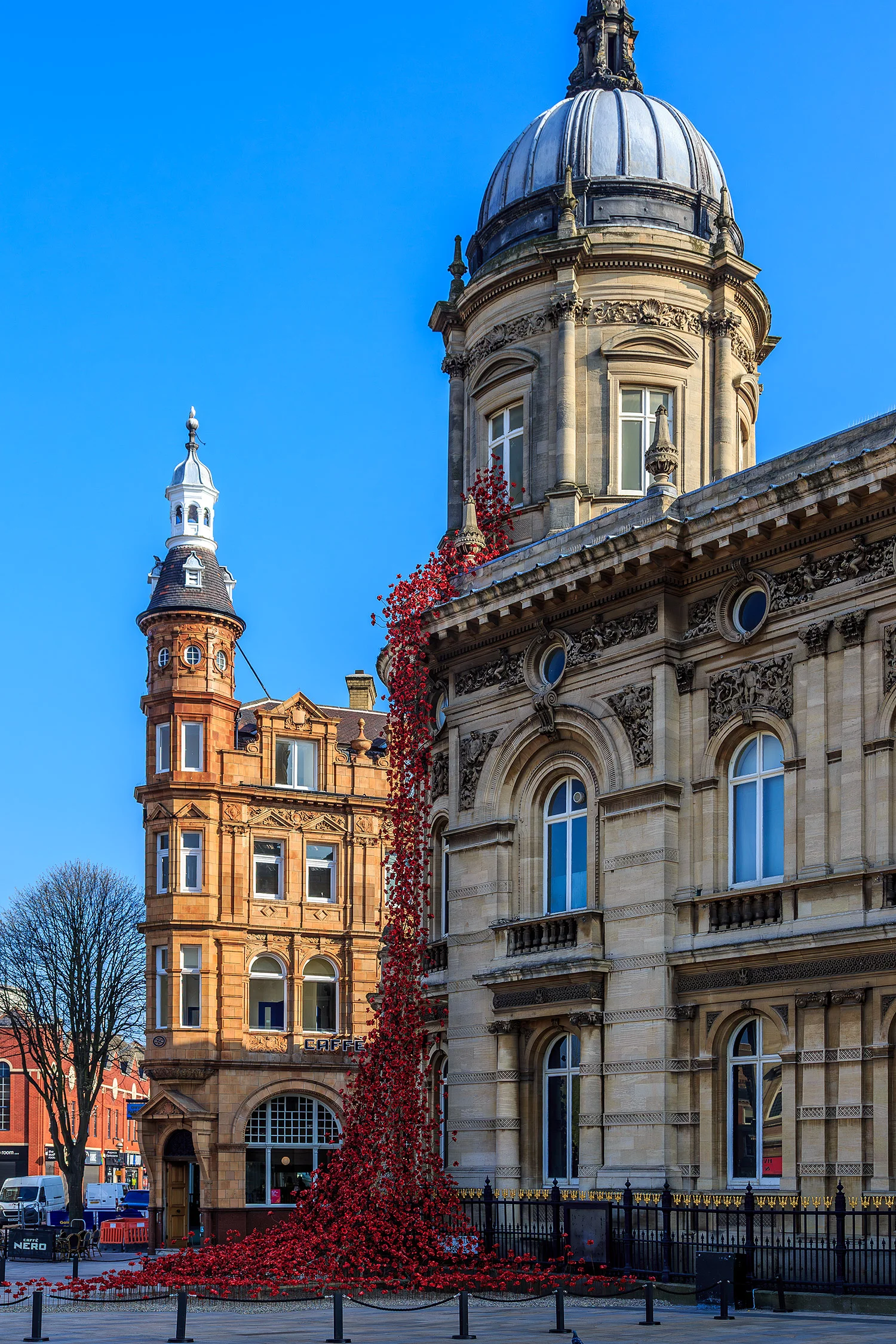
A sculpture of thousands of handmade ceramic poppies has been erected in Hull to commemorate the fallen of the First World War. "Weeping Window" was presented in the Maritime Museum as part of the Capital of Culture celebrations. The building in the city center, the former Dock Offices, tells the story of Hull's seafarers.

The location was chosen to highlight the sacrifices made by the Merchant Navy and the Royal Navy. The building in Queen Victoria Square witnessed many of the key events of the First World War in Hull. Weeping Window is part of the poppy installation Blood Swept Lands and Seas of Red, which was created to mark the centenary of the First World War and was originally on display at the Tower of London in 2014.

Each poppy in the original exhibition represented a death in the British Armed Forces during the 1914-18 war, totaling 888,246. Artist Paul Cummings and designer Tom Piper created the Weeping Window installation.

Behind the Lens – Photographer's Note

During my visit to Hull, the installation immediately drew my attention. From a distance, the cascade of red poppies appeared almost like a flowing river. Standing closer, however, it became impossible not to think about the individual lives represented by each flower.

What impressed me most was not only the artwork itself, but the way Britain continues to remember those who never returned from war. I have always admired the importance that remembrance holds in British culture. The installation Blood Swept Lands and Seas of Red was created to commemorate the outbreak of the First World War, with each ceramic poppy representing a fallen soldier of the British Empire.

The display reminded me of an earlier journey with my wife to the Somme region near Amiens in northern France. We visited several Commonwealth war cemeteries and spent time reading the names and ages engraved on the headstones. What struck me most was how young so many of the soldiers were. Many were only eighteen, nineteen or twenty years old. Among the few officers buried there, most were still only in their twenties, thirties or early forties.

Standing in Hull, I found myself thinking about those cemeteries again. Each poppy represented a life, a family and a future that had been lost. What appeared from a distance to be a single artwork became, on closer reflection, thousands of individual human stories.

Photography often encourages us to look more closely. The poppies were visually striking, but what stayed with me was something deeper: a renewed appreciation for the importance of remembrance and for the generations of young people whose lives were forever changed by war.